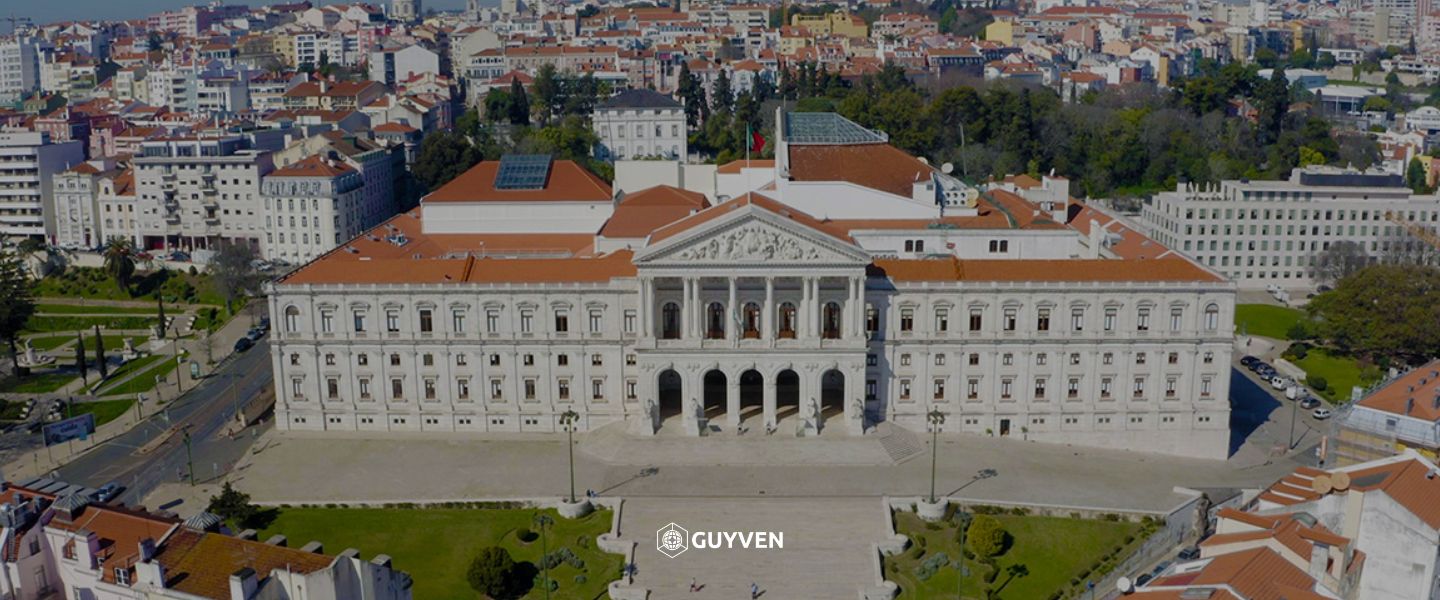
Portugal's immigration system has long been one of Europe's most open. The D7, D2, and Digital Nomad visas attracted tens of thousands of relocators over the past decade. But the political and social climate has shifted. Pressure is mounting — from housing advocates, from far-right parties gaining ground, and from a government trying to balance economic growth with a deeply frustrated domestic population — and the legislation that governs how foreigners enter, stay, and integrate in Portugal is now on the table.
This is not a moment to panic. But it is a moment to understand exactly what is being proposed, who is behind it, and what it means for you — whether you're already in Portugal or planning to move.
The Context: Why Is This Happening Now?
Portugal went from having net emigration (more Portuguese leaving than foreigners arriving) to becoming one of Europe's fastest-growing immigrant destinations in under a decade. Between 2018 and 2024, the foreign resident population grew by over 60%. Most of this growth concentrated in Lisbon and Porto, where housing prices tripled in some neighborhoods.
For many Portuguese families — especially young people and working-class residents in the major cities — this was not an abstract statistic. It was a lived experience: rents that had been affordable for decades suddenly became impossible, neighborhoods that had been community anchors became investor targets, and the state services (AIMA, public health, schools) that were already strained found themselves overwhelmed.
This built the political pressure that now drives the legislative debate. It is a genuinely complicated picture — immigrants are not responsible for the structural failures of the Portuguese housing market or the chronic underfunding of AIMA — but the politics of frustration rarely wait for nuance.

Who Is Behind the Proposed Changes?
The legislative reform effort is not the work of a single party or a single actor. Several distinct groups have been driving the agenda, often with very different goals:
Chega (Far-Right Opposition)
Chega, the far-right party that became the third-largest force in parliament in the 2024 elections, has been the most aggressive voice for immigration restriction. Their proposals have included stricter entry requirements, reduced access to social services for non-EU immigrants during the first years of residence, faster deportation procedures, and the elimination of automatic family reunification rights during the first two years of a permit. Chega frames this as a matter of national identity and resource protection. Their proposals are the most restrictive on the table — and while they currently lack the parliamentary majority to pass them unilaterally, they have moved the center of gravity in the debate.
The AD Government (PSD-led Alliance)
The centre-right government of Prime Minister Luís Montenegro has taken a more measured but still notably tighter position than the previous Socialist government. The AD coalition has proposed two major structural changes: replacing the old SEF (the immigration and border service that was abolished in 2022) with a more functional successor to AIMA, and tightening the conditions under which residency permits can be renewed or upgraded. The government has also proposed new income thresholds for certain permit categories and stricter requirements around proving ties to Portugal (employment contracts, registered address, tax contributions).
Housing and Civil Society Groups
Organisations like Habita and various housing activist groups have argued for immigration reform that links residency rights to local housing availability — a more unusual position that essentially treats immigrant numbers as a lever for housing policy. While these groups are not driving the legislative agenda directly, they have provided political cover for more restrictive positions by framing restriction as a progressive housing issue rather than a nationalist one.
Pro-Immigration and Business Voices
On the other side, large Portuguese employers (especially in construction, agriculture, tourism, and technology), the business associations CIP and AEP, and pro-immigration NGOs like ACIDI have argued forcefully that Portugal needs immigrants to sustain its economy. Portugal's working-age population is shrinking, the pension system depends on continued labour force growth, and several key sectors would face collapse without foreign labour. These voices have not stopped the reform push, but they have prevented the most extreme proposals from gaining traction.

What Changes Are Actually Proposed?
As of early 2026, the following changes are either in draft legislation, under parliamentary debate, or have been formally announced by the government:
1. Tighter Income Requirements for D7 and D2 Permits
The government has proposed raising the minimum income threshold for the D7 visa from the current Portuguese minimum wage to approximately 1.5× the minimum wage. This would affect applicants from lower-income countries more severely, and would tighten eligibility for retirees living on more modest pensions. The D2 would see stricter proof-of-income requirements during the renewal process.
2. AIMA Reform and Processing Overhaul
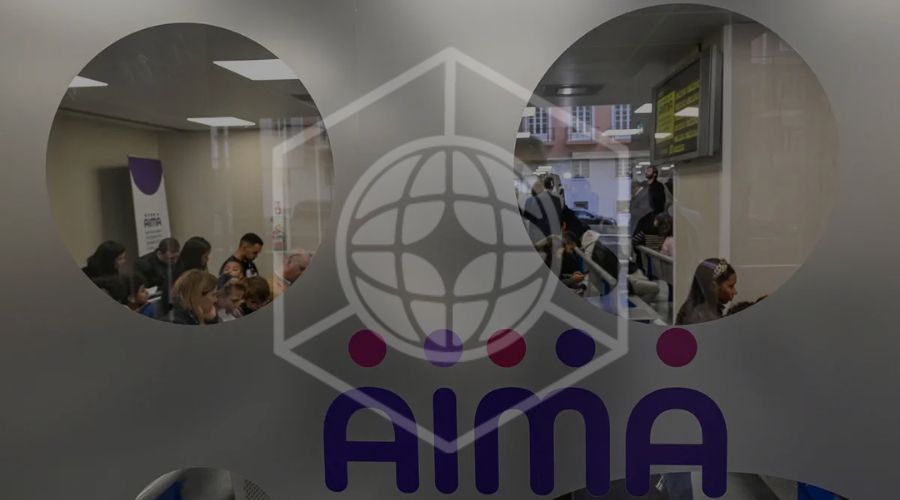
The chaos at AIMA — the agency created in 2022 to replace SEF — has been one of the most politically embarrassing elements of Portugal's recent immigration story. Backlogs of over 400,000 pending applications, appointment waits of 12–18 months, and a series of documented failures have been used by all sides of the debate. The government has proposed a structural reform of AIMA with a new director, additional resources, and a digital-first processing model. This is the reform that would most directly benefit current immigrants — if it works. There is significant scepticism.
3. Stricter Ties-to-Portugal Requirements
A key proposed change is the introduction of mandatory proof of integration at each permit renewal stage. This could include: a registered and inspected housing address (not just a postal address), tax contributions over the permit period, a minimum number of days physically present in Portugal each year, and — for longer-term permits — basic Portuguese language competency. These requirements are broadly supported across the political spectrum, including by many immigration advocates who see unverified permits as undermining the system's credibility.
4. Changes to Family Reunification
Chega's proposal to restrict family reunification during the first two years of a permit has not been adopted by the government, but a modified version — requiring proof of stable housing and minimum income before reunification is approved — is under consideration. This would affect families planning to move to Portugal in stages, with one person establishing residency first before bringing a partner or children.
5. The Digital Nomad Visa (D8) Under Review
The D8 visa, introduced in 2022, has been a particular target. Critics argue it attracted high earners who drive up rents without contributing proportionately to the Portuguese tax base (many NHR-registered D8 holders paid very low effective Portuguese tax rates on foreign income). The government is reviewing whether to maintain the D8 in its current form, modify the income threshold, or fold it back into the D2 framework. No final decision has been made, but the D8 in its current form is at risk.
What Needs to Happen for Any of This to Become Law?
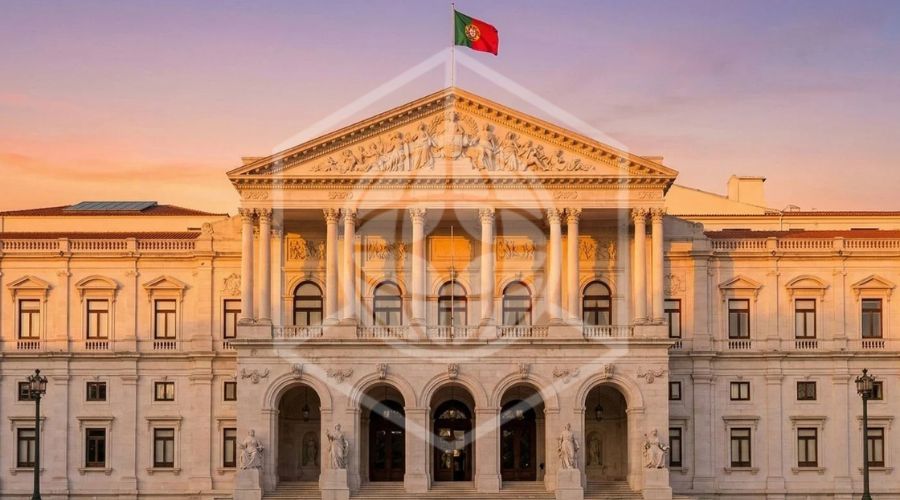
Portugal's legislative process requires bills to pass through the Assembleia da República — the single-chamber parliament. The government (AD) holds a relative majority, meaning it can pass legislation with either Chega's support or the support of the Socialists (PS). This creates a situation where the government must navigate between the far-right and centre-left to build majorities on individual issues.
The specific steps for immigration reform to become law are:
- Legislative proposal — The government submits a formal bill (proposta de lei) to parliament. This has already happened for AIMA reform; full immigration law revision is still in committee.
- Committee review — The bill goes to the relevant parliamentary committee (Comissão de Assuntos Constitucionais, Direitos, Liberdades e Garantias) for review, amendment, and public consultation.
- Plenary debate and vote — The full assembly debates and votes. A simple majority (half plus one of votes cast) is sufficient for most immigration measures, which are ordinary law rather than constitutional amendments.
- Presidential promulgation — The President of the Republic (currently Marcelo Rebelo de Sousa) must promulgate the law. He has the power to veto or refer to the Constitutional Court. Marcelo has historically been more liberal on immigration than the centre-right government, and there is a genuine possibility he would refer certain provisions for constitutional review.
- Publication in Diário da República — Once signed, the law is published in the official gazette and takes effect on the date specified (often 30–90 days after publication, with transitional provisions for existing permit holders).
The most likely timeline for any significant immigration law changes is late 2026 to early 2027, assuming the government doesn't fall first. Portugal has had four governments in five years — political continuity is not guaranteed.
What This Means If You're Already in Portugal
If you have an existing permit, you are almost certainly protected under transitional provisions — no serious proposal has suggested retroactively cancelling valid permits. Your path forward depends on your permit type and renewal timeline:
- If your permit renews in 2026 — Renew under current rules. The new law is unlikely to apply to renewals before its implementation date.
- If you're applying for a five-year permit or permanent residency — Document your ties to Portugal now. Proof of housing, tax records, and days-in-country will become more important regardless of what the final law looks like.
- If you're planning family reunification — Act sooner rather than later under current rules, which are more permissive than what is likely to replace them.
What This Means If You're Planning to Move
The window of relative openness — D7 at current income thresholds, D8 in its current form, family reunification at current conditions — may be narrower than it was a year ago. This doesn't mean the door is closing. It means the conditions are likely to become moderately more demanding.
Our honest assessment: the best time to start your visa process is now, under the rules you know. Not out of panic — but because applying under a known framework is always preferable to applying under a framework that is still being negotiated.
Navigating a Changing System
We track these developments in real time. If you're planning to move to Portugal and want to understand how the proposed changes affect your specific situation, book a call. We'll tell you what we actually know — not what makes for good headlines.
Book a Free 20-Min CallEl sistema de inmigración de Portugal ha sido durante mucho tiempo uno de los más abiertos de Europa. Las visas D7, D2 y la Visa para Nómadas Digitales atrajeron a decenas de miles de personas durante la última década. Pero el clima político y social ha cambiado. La presión aumenta — desde activistas de la vivienda, desde partidos de extrema derecha que ganan terreno, y desde un gobierno que intenta equilibrar el crecimiento económico con una población local profundamente frustrada — y la legislación que rige cómo los extranjeros entran, permanecen e integran en Portugal está ahora sobre la mesa.
Este no es un momento para el pánico. Pero sí es un momento para entender exactamente qué se está proponiendo, quién está detrás, y qué significa para ti — ya sea que estés en Portugal o planeando mudarte.
El Contexto: ¿Por Qué Está Pasando Esto Ahora?
Portugal pasó de tener emigración neta (más portugueses saliendo que extranjeros llegando) a convertirse en uno de los destinos de inmigrantes de más rápido crecimiento de Europa en menos de una década. Entre 2018 y 2024, la población residente extranjera creció más de un 60%. La mayor parte de este crecimiento se concentró en Lisboa y Porto, donde los precios de la vivienda se triplicaron en algunos barrios.
Para muchas familias portuguesas — especialmente jóvenes y residentes de clase trabajadora en las grandes ciudades — esto no fue una estadística abstracta. Fue una experiencia vivida: alquileres que habían sido asequibles durante décadas de repente se volvieron imposibles, vecindarios que habían sido anclas comunitarias se convirtieron en objetivos de inversores, y los servicios estatales (AIMA, salud pública, escuelas) que ya estaban bajo presión se vieron desbordados.
Esto generó la presión política que ahora impulsa el debate legislativo. Es un panorama genuinamente complicado — los inmigrantes no son responsables de las fallas estructurales del mercado de vivienda portugués ni de la crónica falta de financiamiento de AIMA — pero la política de la frustración rara vez espera matices.
¿Quién Está Detrás de los Cambios Propuestos?
El esfuerzo de reforma legislativa no es obra de un solo partido ni de un solo actor. Varios grupos distintos han estado impulsando la agenda, a menudo con objetivos muy diferentes:
Chega (Oposición de Extrema Derecha)
Chega, el partido de extrema derecha que se convirtió en la tercera fuerza más grande del parlamento en las elecciones de 2024, ha sido la voz más agresiva a favor de la restricción migratoria. Sus propuestas han incluido requisitos de entrada más estrictos, acceso reducido a los servicios sociales para inmigrantes no europeos durante los primeros años de residencia, procedimientos de deportación más rápidos y la eliminación del derecho automático a la reagrupación familiar durante los primeros dos años de permiso.
El Gobierno de AD (Alianza liderada por el PSD)
El gobierno de centroderecha del Primer Ministro Luís Montenegro ha adoptado una posición más moderada pero notablemente más restrictiva que el anterior gobierno socialista. La coalición AD ha propuesto dos grandes cambios estructurales: reemplazar el antiguo SEF con un sucesor más funcional a AIMA, y endurecer las condiciones bajo las cuales los permisos de residencia pueden renovarse o mejorar su categoría. El gobierno también ha propuesto nuevos umbrales de ingresos para ciertas categorías de permisos y requisitos más estrictos para demostrar vínculos con Portugal.
El D8 (Visa de Nómada Digital) Bajo Revisión
La visa D8, introducida en 2022, ha sido un objetivo particular. Los críticos argumentan que atrajo a personas de altos ingresos que elevaron los alquileres sin contribuir proporcionalmente a la base fiscal portuguesa. El gobierno está revisando si mantener el D8 en su forma actual, modificar el umbral de ingresos o reintegrarlo en el marco del D2. No se ha tomado ninguna decisión final, pero el D8 en su forma actual está en riesgo.
¿Qué Necesita Ocurrir para que Esto se Convierta en Ley?
El proceso legislativo de Portugal requiere que los proyectos pasen por la Assembleia da República. El gobierno (AD) tiene una mayoría relativa, lo que significa que puede aprobar legislación con el apoyo de Chega o de los Socialistas (PS). Esto crea una situación en la que el gobierno debe navegar entre la extrema derecha y el centroizquierda para construir mayorías en temas individuales.
El cronograma más probable para cualquier cambio significativo en la ley de inmigración es finales de 2026 o principios de 2027, asumiendo que el gobierno no caiga antes. Portugal ha tenido cuatro gobiernos en cinco años — la continuidad política no está garantizada.
Lo Que Esto Significa Si Planeas Mudarte
La ventana de relativa apertura — D7 con los umbrales de ingresos actuales, D8 en su forma actual, reagrupación familiar bajo las condiciones actuales — puede ser más estrecha de lo que era hace un año. Nuestra evaluación honesta: el mejor momento para iniciar tu proceso de visa es ahora, bajo las reglas que conoces. No por pánico — sino porque solicitar bajo un marco conocido siempre es preferible a hacerlo bajo uno que aún se está negociando.
Navegando un Sistema en Cambio
Seguimos estos desarrollos en tiempo real. Si planeas mudarte a Portugal y quieres entender cómo los cambios propuestos afectan tu situación específica, reserva una llamada. Te diremos lo que realmente sabemos — no lo que genera buenos titulares.
Reservar una Llamada GratuitaO sistema de imigração de Portugal tem sido, há muito tempo, um dos mais abertos da Europa. As visas D7, D2 e a Visto de Nómada Digital atraíram dezenas de milhares de pessoas para se mudarem durante a última década. Mas o clima político e social mudou. A pressão está a aumentar — de ativistas da habitação, de partidos de extrema-direita que ganham terreno, e de um governo que tenta equilibrar o crescimento económico com uma população doméstica profundamente frustrada — e a legislação que rege como os estrangeiros entram, ficam e se integram em Portugal está agora em debate.
Este não é um momento de pânico. Mas é um momento para entender exatamente o que está a ser proposto, quem está por trás, e o que significa para si — quer já esteja em Portugal ou a planear mudar-se.
O Contexto: Por Que Está a Acontecer Agora?
Portugal passou de ter emigração líquida (mais portugueses a sair do que estrangeiros a chegar) para se tornar um dos destinos de imigração de crescimento mais rápido da Europa em menos de uma década. Entre 2018 e 2024, a população residente estrangeira cresceu mais de 60%. A maior parte deste crescimento concentrou-se em Lisboa e Porto, onde os preços da habitação triplicaram em alguns bairros.
Para muitas famílias portuguesas — especialmente jovens e residentes da classe trabalhadora nas grandes cidades — isto não foi uma estatística abstrata. Foi uma experiência vivida: rendas que tinham sido acessíveis durante décadas tornaram-se de repente impossíveis, bairros que tinham sido âncoras comunitárias tornaram-se alvos de investidores, e os serviços estatais (AIMA, saúde pública, escolas) que já estavam sobrecarregados encontraram-se overwhelmed.
O Que Precisa de Acontecer para Qualquer Disto Tornar-se Lei?
O processo legislativo de Portugal exige que os projetos passem pela Assembleia da República. O governo (AD) tem uma maioria relativa, o que significa que pode aprovar legislação com o apoio do Chega ou dos Socialistas (PS). Isto cria uma situação em que o governo deve navegar entre a extrema-direita e o centro-esquerda para construir maiorias em questões individuais.
A linha do tempo mais provável para qualquer mudança significativa na lei de imigração é o final de 2026 ou início de 2027, assumindo que o governo não caia antes. Portugal teve quatro governos em cinco anos — a continuidade política não é garantida.
O Que Isto Significa Se Está a Planear Mudar-se
A janela de relativa abertura — D7 com os limiares de rendimento atuais, D8 na sua forma atual, reagrupamento familiar nas condições atuais — pode ser mais estreita do que era há um ano. A nossa avaliação honesta: o melhor momento para iniciar o seu processo de visto é agora, sob as regras que conhece. Não por pânico — mas porque candidatar-se sob um quadro conhecido é sempre preferível a fazê-lo sob um que ainda está a ser negociado.
A Navegar um Sistema em Mudança
Acompanhamos estes desenvolvimentos em tempo real. Se está a planear mudar-se para Portugal e quer perceber como as mudanças propostas afetam a sua situação específica, reserve uma chamada. Diremos o que realmente sabemos — não o que gera boas manchetes.
Agendar uma Chamada Gratuita