
The internet is full of blog posts about how cheap Portugal is. "We live like kings on €2,000 a month!" Sometimes this is true — for specific types of people, in specific places, with specific lifestyles. Often it is 2019 data dressed up as current reality. Portugal has changed significantly, especially in Lisbon and Porto, and the people who moved in 2017 based on cost projections are living in a very different country from the one they researched.
Try the free Cost of Living Calculator
Get a personalized monthly estimate for your city, household size, housing and lifestyle — updated for 2026.
Open the Calculator →We live here. We help people relocate here. These are the real numbers for 2026 — by region, by household type, without the influencer spin.

The Big Picture: Portugal Is Still Affordable — But Less So Than It Was
Compared to Western Europe, Portugal remains one of the more affordable places to live. Compared to the Portugal of 2018, it is meaningfully more expensive — particularly for housing in the major cities, restaurant meals in tourist-heavy areas, and anything imported. The gap between Lisbon/Porto costs and interior costs has also widened significantly.
Here is a practical framing: a couple with no children, living in a rented apartment in Lisbon or Porto, spending normally (not frugally, not lavishly), should budget roughly €3,000–€4,000/month including rent. The same couple in the Algarve: €2,500–€3,500/month. The interior: €1,800–€2,600/month.
Rent: The Number That Defines Everything
Rent is where Portugal's cost picture is most complicated, and where the gap between cities and interior is most dramatic.

Lisbon (1-bedroom, furnished, central): €1,200–€1,800/month. Unfurnished, slightly out of centre: €900–€1,300/month. With a second bedroom: add €300–€500. The Setúbal peninsula (Almada, Barreiro) is 20% cheaper with metro access.
Porto (1-bedroom, furnished, central): €900–€1,400/month. Slightly cheaper than Lisbon. Vila Nova de Gaia across the river: €700–€1,100/month.
Algarve: Highly seasonal. Off-season (October–April), furnished 1-bedrooms in towns like Lagos, Tavira, or Portimão run €700–€1,100/month. In summer, short-term holiday rental competition drives prices up significantly. Many expats leave the Algarve for 2–3 months or lock in annual leases early.
Interior (Évora, Coimbra, Guarda, Viseu, Beja): €450–€750/month for a furnished 1-bedroom, often including utilities. A 2-bedroom house with a garden in a village near Évora: €500–€700/month. This is the most underexplored cost opportunity in Portugal.
Food and Groceries
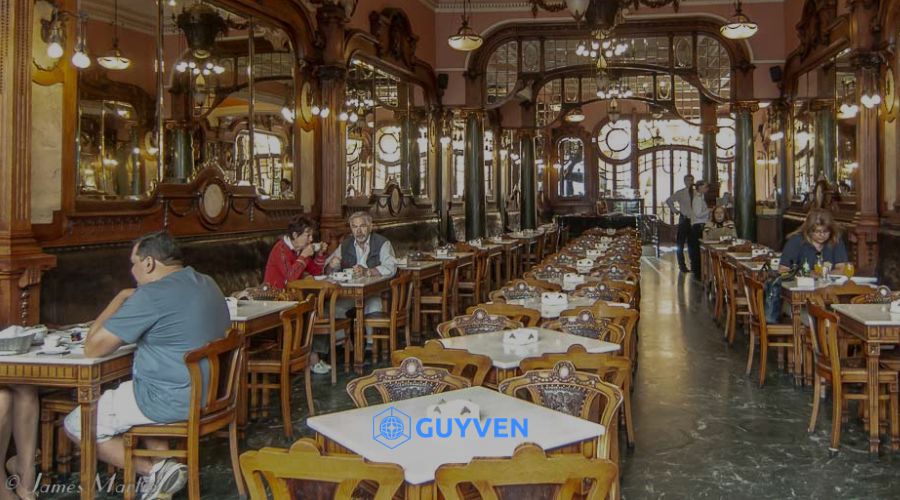
Groceries at major supermarkets (Continente, Pingo Doce, Lidl) are 20–35% cheaper than the UK and 40–60% cheaper than Scandinavia, for equivalent baskets. Fresh produce at local markets is cheaper still. A couple doing a full weekly shop: €80–€130/week, depending on preferences.
Eating out varies dramatically. A neighbourhood restaurant (tasca) lunch with wine: €9–€14/person. A mid-range dinner in Lisbon or Porto's centre: €20–€35/person. A fine-dining experience: €60–€120/person. The tourist restaurant trap — especially in Baixa Lisbon, the Ribeira in Porto, and the Algarve waterfront — charges €25–€40 for mediocre food. Avoid them.
Healthcare
Portugal has a public health system (SNS) which residents can access after registering with a local health centre (centro de saúde). Wait times for general practitioners are long (often weeks), but emergency and specialist care is generally good. Many expats use a hybrid model: private insurance for everyday care (€30–€60/month for a healthy adult), SNS for anything serious or hospitalisation.
Private consultations without insurance: €40–€80 for a GP, €80–€150 for a specialist. Dental care is largely private and well-priced: a check-up and clean €40–€60, a filling €60–€90. Prescription medication is heavily subsidised and dramatically cheaper than in the US or UK.
Transport
Lisbon and Porto have excellent public transport. A monthly transport pass: €40/month (Lisbon), €30/month (Porto). Taxis and Uber are cheap by Western European standards. Outside the major cities, a car becomes necessary — but running a modest used car in Portugal costs €200–€350/month (fuel, insurance, maintenance, annual inspection).
Utilities and Internet
Electricity is Portugal's most expensive utility — driven by European energy market dynamics rather than local prices. A 1-bedroom apartment: €60–€120/month for electricity, depending on season (air conditioning in summer, heating in winter are both significant). Gas: €20–€40/month. Internet: €25–€45/month for fibre (consistently excellent in cities and most towns). Mobile phone: €15–€30/month for unlimited data.
What €2,500/Month Actually Gets You
In central Lisbon: a small 1-bedroom apartment, normal eating habits (cooking most meals, one restaurant meal per week), public transport, and little left for savings or travel.
In Porto or Cascais: a comfortable 1-bedroom or modest 2-bedroom, normal eating, a car, and some breathing room.
In the Alentejo or interior: a 2–3 bedroom house, full car, eating out regularly, and money to spare.
This is the honest picture. Portugal is still excellent value — but where you live in Portugal matters enormously, and the gap between the coast and the interior is larger than most people realize when they start planning.
Where Should You Actually Live?
Cost is one factor. Community, climate, access to services, and lifestyle fit are others. We help people figure out not just which visa they need, but where in Portugal makes sense for them. Let's talk through your situation.
Book a Free 20-Min CallInternet está lleno de publicaciones de blog sobre lo barato que es Portugal. "¡Vivimos como reyes con €2.000 al mes!" A veces esto es cierto — para tipos específicos de personas, en lugares específicos, con estilos de vida específicos. A menudo son datos de 2019 disfrazados de realidad actual. Portugal ha cambiado significativamente, especialmente en Lisboa y Porto, y las personas que se mudaron en 2017 basándose en proyecciones de costos están viviendo en un país muy diferente al que investigaron.
Prueba la Calculadora del Coste de Vida gratuita
Obtén una estimación mensual personalizada según tu ciudad, tamaño del hogar, vivienda y estilo de vida — actualizada para 2026.
Abrir la Calculadora →Vivimos aquí. Ayudamos a personas a reubicarse aquí. Estos son los números reales para 2026 — por región, por tipo de hogar, sin el giro de los influencers.
La Fotografía General: Portugal Sigue Siendo Asequible — Pero Menos que Antes
En comparación con Europa Occidental, Portugal sigue siendo uno de los lugares más asequibles para vivir. En comparación con el Portugal de 2018, es notablemente más caro — especialmente para la vivienda en las grandes ciudades, las comidas en restaurantes en zonas turísticas, y todo lo importado.
Una pareja sin hijos, viviendo en un apartamento alquilado en Lisboa o Porto, gastando normalmente (ni frugalmente ni con lujos), debería presupuestar aproximadamente €3.000–€4.000/mes incluyendo el alquiler. La misma pareja en el Algarve: €2.500–€3.500/mes. El interior: €1.800–€2.600/mes.
Alquiler: El Número que Define Todo
Lisboa (1 dormitorio, amueblado, céntrico): €1.200–€1.800/mes. Porto: €900–€1.400/mes. Algarve (fuera de temporada): €700–€1.100/mes. Interior (Évora, Coimbra, Viseu): €450–€750/mes — la oportunidad de costo más infraexplorada de Portugal.
Lo que €2.500/Mes Realmente Consigue
En el centro de Lisboa: un pequeño apartamento de 1 dormitorio, hábitos alimenticios normales, transporte público y poco margen para ahorros o viajes. En el Alentejo o el interior: una casa de 2–3 dormitorios, coche completo, salir a comer regularmente y dinero de sobra. Portugal sigue siendo un excelente valor — pero donde vives en Portugal importa enormemente.
¿Dónde Deberías Vivir Realmente?
El costo es un factor. La comunidad, el clima, el acceso a servicios y el ajuste de estilo de vida son otros. Ayudamos a las personas a descubrir no solo qué visa necesitan, sino dónde en Portugal tiene sentido para ellos.
Reservar una Llamada GratuitaA internet está cheia de publicações de blog sobre o quão barato Portugal é. Por vezes isto é verdade — para tipos específicos de pessoas, em lugares específicos, com estilos de vida específicos. Muitas vezes são dados de 2019 disfarçados de realidade atual. Portugal mudou significativamente, especialmente em Lisboa e Porto.
Experimente a Calculadora do Custo de Vida gratuita
Obtenha uma estimativa mensal personalizada para a sua cidade, agregado familiar, habitação e estilo de vida — atualizada para 2026.
Abrir a Calculadora →Vivemos aqui. Ajudamos pessoas a relocalizar-se aqui. Estes são os números reais para 2026 — por região, por tipo de agregado familiar, sem o spin dos influencers.
A Visão Geral: Portugal Continua Acessível — Mas Menos do que Era
Um casal sem filhos, a viver num apartamento arrendado em Lisboa ou Porto, a gastar normalmente, deve orçamentar aproximadamente €3.000–€4.000/mês incluindo a renda. O mesmo casal no Algarve: €2.500–€3.500/mês. O interior: €1.800–€2.600/mês.
O que €2.500/Mês Realmente Proporciona
No centro de Lisboa: um pequeno apartamento de 1 quarto, hábitos alimentares normais, transporte público e pouco para poupar. No Alentejo ou interior: uma casa de 2–3 quartos, carro, sair regularmente para comer e dinheiro a sobrar. Portugal continua a ser excelente valor — mas onde vive em Portugal importa enormemente.
Onde Deve Realmente Viver?
O custo é um fator. A comunidade, o clima, o acesso a serviços e o ajuste de estilo de vida são outros. Ajudamos as pessoas a descobrir não só qual visto precisam, mas onde em Portugal faz sentido para elas.
Agendar uma Chamada Gratuita