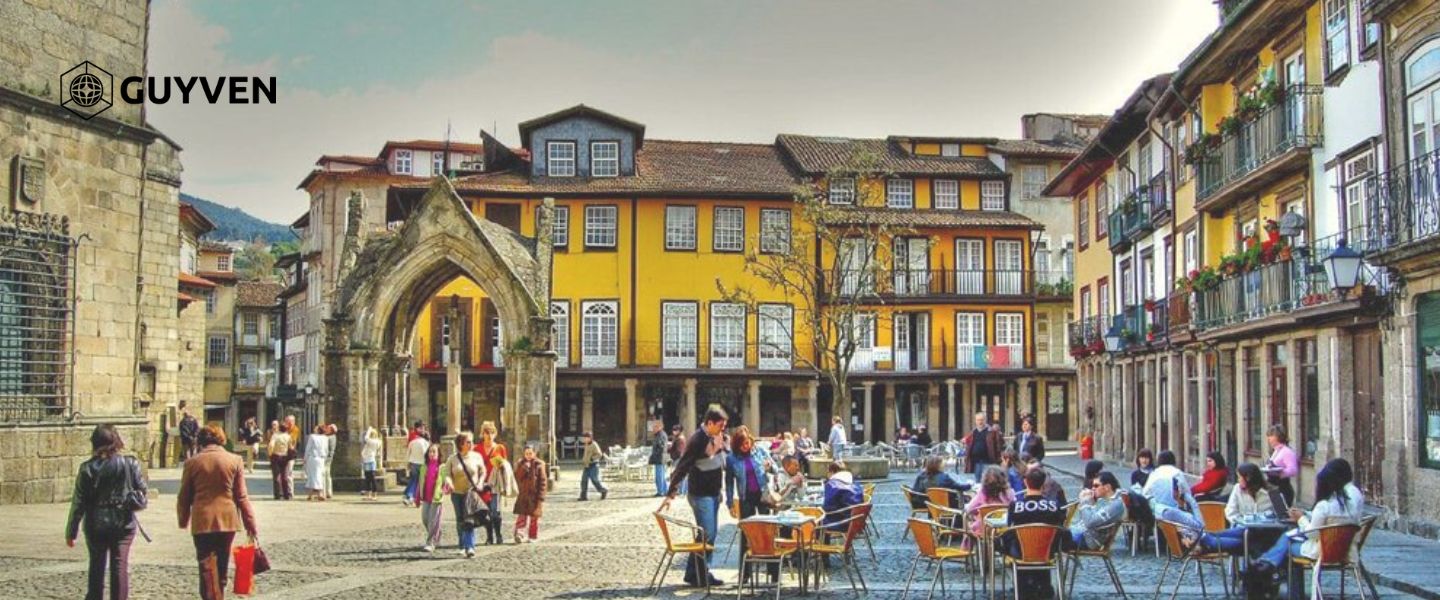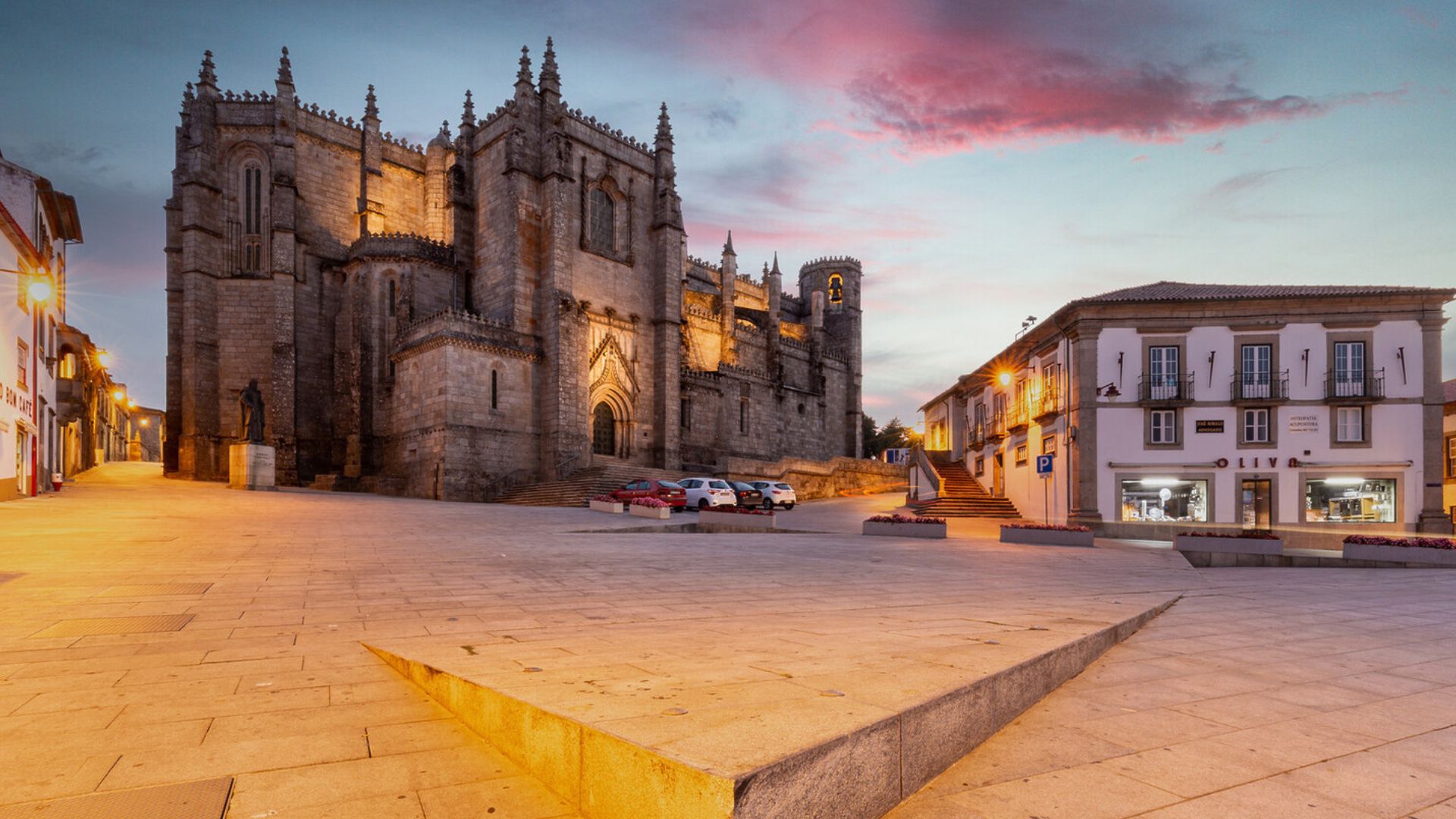
It is the most common question we get asked after "which visa do I need?" — and it deserves an honest answer, not a brochure. The Algarve and Lisbon represent two genuinely different versions of Portugal, two different rhythms, two different trade-offs. Neither is universally better. The right answer depends entirely on who you are, what you need, and what you're willing to give up.
Here is what we have observed after helping hundreds of people relocate to both.
First: What Kind of Life Are You Actually Building?
Before comparing the two, it helps to identify which of these describes you:
- Retiree / passive income holder — You want sun, safety, affordable living, no daily commute pressure, and good access to healthcare.
- Remote worker / digital nomad — You need reliable internet, a professional environment, community, and stimulation beyond the beach.
- Family with children — You need quality schools (especially international ones), safe neighbourhoods, parks, community, and proximity to other families like yours.
- Investor / entrepreneur — You need business infrastructure, legal and financial services, network, and airport access for frequent travel.
Each of these profiles pulls you toward a different answer.
Lisbon: The City for Those Who Want to Be Part of Something
Why Lisbon Works
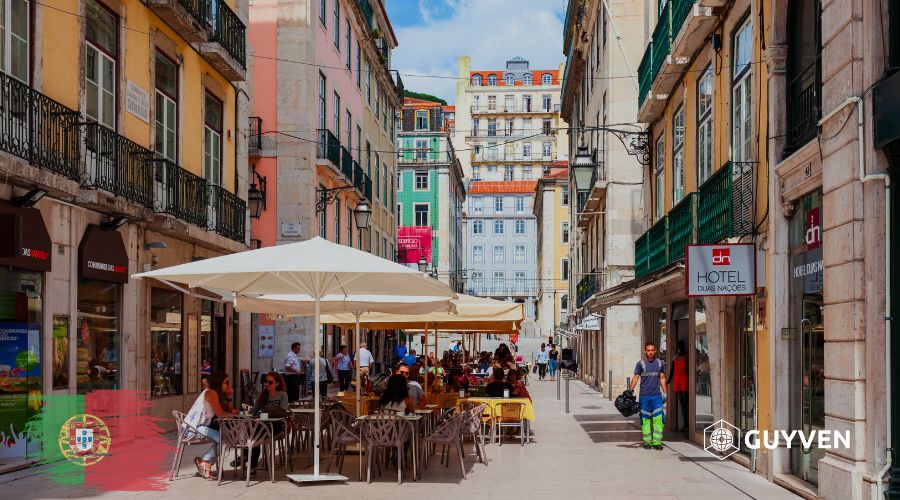
Culture and stimulation. Lisbon is a serious European capital with world-class museums, a deep music culture (fado, jazz, contemporary), an excellent restaurant scene, and a calendar of events year-round. If you are the kind of person who wants things happening around you, Lisbon delivers.
Expat infrastructure. Lisbon has the densest network of lawyers, accountants, tax advisors, relocation agents, and English-speaking services in Portugal. If you need professional support — and most people moving from outside the EU do — Lisbon has everything you need within reach.
International schools. Greater Lisbon has more than a dozen international schools with strong reputations. Cascais, just 30 minutes from Lisbon centre, is particularly popular with families for its combination of school access, lower density, and more space.
Airport access. Humberto Delgado Airport is 20 minutes from the centre. For frequent travellers — whether for business or family visits — this is difficult to overstate. The Algarve's Faro Airport is served by seasonal flights to major European cities, but is far more limited for intercontinental travel and off-season connectivity.
Business environment. For entrepreneurs and investors, Lisbon has a developed startup ecosystem, co-working infrastructure, investment networks, and access to the Portuguese legal and financial system that simply doesn't exist at the same depth in the Algarve.
Why Lisbon Is Hard
Cost. Lisbon is the most expensive place to live in Portugal, full stop. Rent is the biggest driver (see our cost of living post for detailed numbers). A comfortable 2-bedroom apartment in a good Lisbon neighbourhood costs €1,500–€2,200/month in 2026.
Density and pace. Lisbon is a city. It is busier, louder, and more pressured than anywhere else in Portugal. Traffic is bad. Parking is worse. For people who moved specifically to slow down, Lisbon can feel like the wrong place within months.
Weather (relative). Lisbon has good weather — 285 sunny days per year. But the Algarve averages 300+. And Lisbon winters can be authentically grey and damp, particularly November through February. If you moved for the sun, you may find yourself looking south.
The Algarve: The Region for Those Who Moved for the Life Itself
Why the Algarve Works
Climate. The Algarve has Portugal's best climate. Over 300 days of sunshine per year, mild winters (rarely below 10°C), warm springs, and long summers. For retirees especially, this is often the defining factor — and it is a genuine advantage.
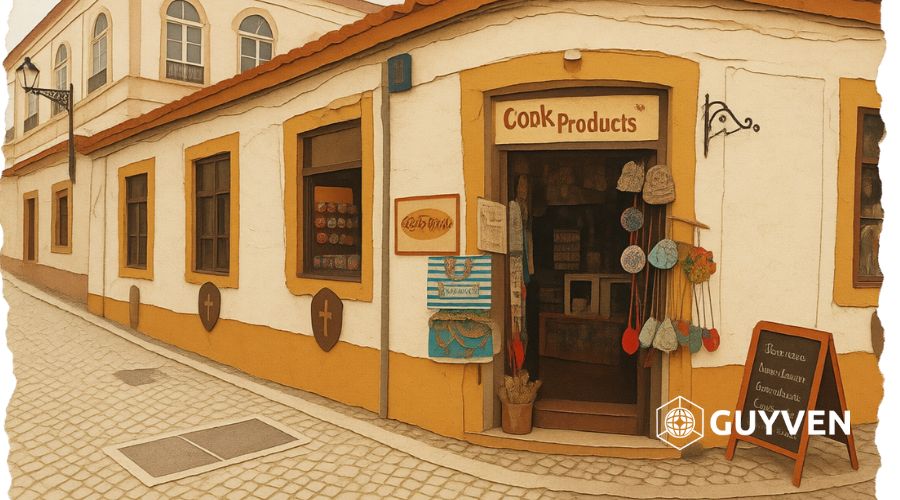
Nature and outdoor life. The coastline is extraordinary. The western Algarve around Lagos and the Costa Vicentina (Portugal's wild Atlantic coast) offers some of the most dramatic scenery in Europe. The inland Algarve — often overlooked — has a very different beauty: cork forests, orange groves, whitewashed villages, silence. If your vision of life in Portugal involves being outdoors, the Algarve competes with almost anywhere in Europe.
Cost (relative to Lisbon). Outside the peak tourist months and the most famous beach towns (Albufeira, Vilamoura), the Algarve is meaningfully cheaper than Lisbon. Towns like Tavira, Silves, Loulé, Monchique, and São Brás de Alportel offer genuine quality of life at costs significantly below Lisbon or Porto.
Pace. The Algarve moves slower. This is not a criticism — for many people, it is the entire point. If you are leaving a high-pressure life elsewhere and want to actually decompress, the Algarve makes it possible in a way that Lisbon, for all its charm, does not.
Strong expat communities. The Algarve has had substantial British, German, Dutch, and Scandinavian expat communities for decades. If arriving somewhere where you can find community quickly matters — for social connection, local knowledge, or practical support — the Algarve's established expat infrastructure is a real advantage.
Why the Algarve Is Hard
Seasonality. The Algarve's economy is highly seasonal, and this filters into daily life. Between May and September, some towns are overrun with tourists. The best restaurants are full, the beaches are packed, and prices for everything from grocery store parking to service at a café are affected. Then, October to March, some towns feel genuinely empty. For people who need stimulation year-round, this rhythm is challenging.
International schools. There are international schools in the Algarve — notably in Almancil, near Vilamoura — but the choice is much narrower than in greater Lisbon. Families with children with specific educational needs or preferences may find the Algarve limiting.
Professional services and business. Lawyers, accountants, and tax specialists exist in the Algarve, but the depth of the ecosystem is shallower. Complex business structures, investment vehicles, and corporate needs are better served in Lisbon.
Connectivity. Faro Airport is 30–45 minutes from most of the central Algarve. For intercontinental travel, most connections go through Lisbon anyway — adding a domestic hop that becomes tedious over time for frequent travellers.
A Quick Verdict by Persona
| Who You Are | Better Fit | Why |
|---|---|---|
| Retiree, no commute pressure | Algarve | Climate, pace, cost, established expat community |
| Remote worker, single or couple | Lisbon | Community, stimulation, professional network |
| Family with school-age children | Lisbon / Cascais | International school options, family community |
| Investor / entrepreneur | Lisbon | Business ecosystem, legal/financial services, airport |
| Nature seeker, outdoor lifestyle | Algarve or interior | Coastline, climate, space, pace |
The Third Option: Neither — or Both
A significant number of the people we work with end up in neither Lisbon nor the Algarve. The Silver Coast (Óbidos, Peniche, Caldas da Rainha) offers Lisbon's proximity with a more relaxed pace and lower costs. The Alentejo (Évora, Comporta, Santiago do Cacém) combines the Algarve's unhurried rhythm with stunning landscapes and dramatically lower prices. Porto and the North offer a serious city feel at noticeably lower cost than Lisbon.
And some people choose a split arrangement — a base in the Algarve from September to May, and a Lisbon apartment or house-sit for summer, or vice versa. Portugal is small enough (Faro to Lisbon is 2h30 by car, 3h by train) that flexibility between regions is genuinely feasible.
The right answer to "Algarve or Lisbon?" is almost always: tell us more about yourself first.
We'll Help You Figure Out Where You Actually Belong
In our intro call, we spend as much time on where as we do on which visa. The right location makes the difference between a relocation that works and one you regret. Let's talk through your situation.
Book a Free 20-Min CallEs la pregunta más común que nos hacen después de "¿qué visa necesito?" — y merece una respuesta honesta, no un folleto. El Algarve y Lisboa representan dos versiones genuinamente diferentes de Portugal, dos ritmos diferentes, dos compromisos diferentes. Ninguno es universalmente mejor.
Lisboa: Para Quienes Quieren Ser Parte de Algo
Cultura y estimulación. Lisboa es una capital europea seria con museos de clase mundial, fado, jazz, una excelente escena de restaurantes y un calendario de eventos durante todo el año. Infraestructura expat. Lisboa tiene la red más densa de abogados, contadores, asesores fiscales y servicios en inglés de Portugal. Escuelas internacionales. El Gran Lisboa tiene más de una docena de escuelas internacionales. Acceso al aeropuerto. El aeropuerto está a 20 minutos del centro.
Contra: El costo es el más alto de Portugal. Un apartamento de 2 dormitorios cómodo cuesta €1.500–€2.200/mes en 2026. El ritmo es intenso para quienes se mudaron específicamente para desacelerar.
El Algarve: Para Quienes Se Mudaron por la Vida en Sí
Clima. Más de 300 días de sol al año. Inviernos suaves (raramente por debajo de 10°C). Para los jubilados, esto suele ser el factor definitivo. Naturaleza. La costa es extraordinaria. El Algarve interior ofrece una belleza diferente: bosques de alcornoques, huertos de naranjos, pueblos encalados. Costo. Fuera de los meses turísticos pico y las ciudades más famosas, el Algarve es notablemente más barato que Lisboa.
Contra: Estacionalidad extrema. Elección limitada de escuelas internacionales. Servicios profesionales menos profundos que en Lisboa.
Veredicto Rápido por Perfil
Jubilado: Algarve. Trabajador remoto: Lisboa. Familia con hijos: Lisboa / Cascais. Inversor / emprendedor: Lisboa. Amante de la naturaleza: Algarve o interior.
Un número significativo de las personas con las que trabajamos terminan en ninguno de los dos. El Alentejo, la Costa de Plata, Porto y el Norte merecen seria consideración. Portugal es lo suficientemente pequeño para ser flexible entre regiones.
Te Ayudaremos a Descubrir Dónde Perteneces
En nuestra llamada introductoria, dedicamos tanto tiempo a dónde como a qué visa. La ubicación correcta marca la diferencia entre una reubicación que funciona y una que lamentas.
Reservar una Llamada GratuitaÉ a pergunta mais comum que nos fazem depois de "que visto preciso?" — e merece uma resposta honesta. O Algarve e Lisboa representam duas versões genuinamente diferentes de Portugal, dois ritmos diferentes, dois compromissos diferentes. Nenhum é universalmente melhor.
Lisboa: Para Quem Quer Fazer Parte de Algo
Lisboa tem a rede mais densa de advogados, contabilistas, consultores fiscais e serviços em inglês de Portugal. Mais de uma dúzia de escolas internacionais no Grande Lisboa. O aeroporto está a 20 minutos do centro. Para empreendedores e investidores, o ecossistema de negócios de Lisboa não tem paralelo em Portugal.
Contra: O custo é o mais elevado de Portugal. Um apartamento de 2 quartos confortável custa €1.500–€2.200/mês em 2026. O ritmo pode ser intenso para quem se mudou especificamente para abrandar.
O Algarve: Para Quem Se Mudou pela Própria Vida
O Algarve tem o melhor clima de Portugal — mais de 300 dias de sol por ano. A costa é extraordinária. Fora dos meses turísticos de pico, o Algarve é notavelmente mais barato que Lisboa. O ritmo é mais lento — e para muitas pessoas, esse é precisamente o ponto.
Contra: Sazonalidade extrema. Escolha limitada de escolas internacionais. Serviços profissionais menos desenvolvidos do que em Lisboa.
Veredicto Rápido por Perfil
Reformado: Algarve. Trabalhador remoto: Lisboa. Família com filhos: Lisboa / Cascais. Investidor / empreendedor: Lisboa. Amante da natureza: Algarve ou interior.
Portugal é pequeno o suficiente para ser flexível entre regiões. Muitas pessoas com quem trabalhamos optam por um acordo de divisão — base no Algarve de setembro a maio, e Lisboa para o verão, ou vice-versa.
Vamos Ajudá-lo a Perceber Onde Pertence
Na nossa chamada introdutória, dedicamos tanto tempo ao onde como ao qual visto. A localização certa faz a diferença entre uma relocalização que funciona e uma que lamenta.
Agendar uma Chamada Gratuita